
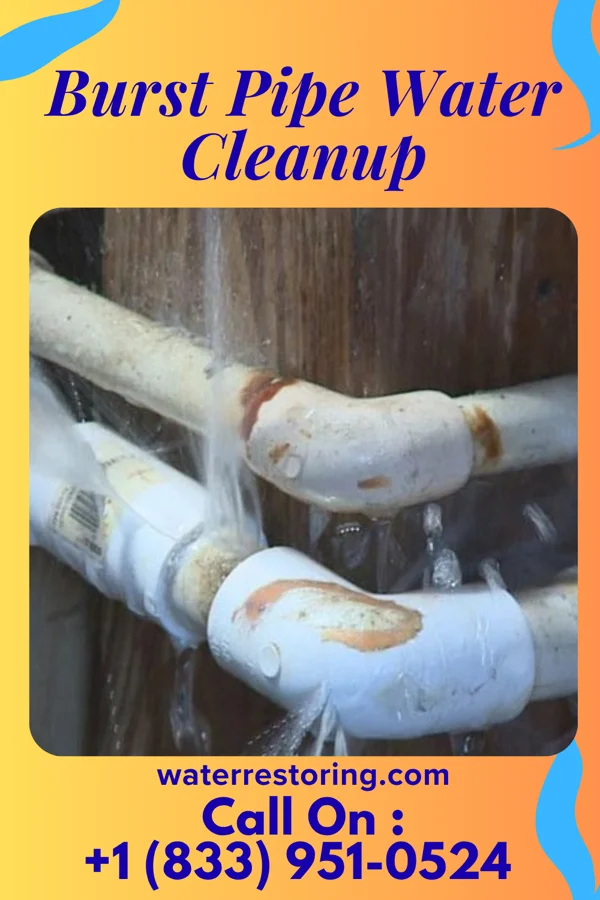
Belton Pipe Burst Risk Drivers
Water damage in Belton tends to cluster in predictable windows because of the local climate. Belton, South Carolina, experiences a mix of older infrastructure and seasonal weather changes that can lead to pipe bursts, particularly during sudden temperature fluctuations. The rural setting and proximity to smaller towns like Williamston and West Pelzer mean that some areas may have outdated plumbing systems, increasing the risk of unexpected pipe failures. A close second is The area's proximity to the Catawba River and the presence of clay soil can contribute to underground pipe corrosion and blockages, which may lead to bursts during heavy rainfall or when water pressure spikes. Additionally, the region's reliance on well water in some neighborhoods can result in mineral buildup that weakens pipes over time..
Belton's climate, characterized by hot, humid summers and mild winters, creates conditions that can stress plumbing systems. The combination of seasonal temperature changes and high humidity levels makes the area particularly vulnerable to pipe bursts and water damage.
Belton's climate, characterized by hot, humid summers and mild winters, creates conditions that can stress plumbing systems. The combination of seasonal temperature changes and high humidity levels makes the area particularly vulnerable to pipe bursts and water damage. The dominant local driver is Belton, South Carolina, experiences a mix of older infrastructure and seasonal weather changes that can lead to pipe bursts, particularly during sudden temperature fluctuations. The rural setting and proximity to smaller towns like Williamston and West Pelzer mean that some areas may have outdated plumbing systems, increasing the risk of unexpected pipe failures., with The area's proximity to the Catawba River and the presence of clay soil can contribute to underground pipe corrosion and blockages, which may lead to bursts during heavy rainfall or when water pressure spikes. Additionally, the region's reliance on well water in some neighborhoods can result in mineral buildup that weakens pipes over time. showing up as the next most common cause. Damage builds in stages. Spread. Absorption. Microbial growth. Structural compromise. Every stage you pass through adds to the final bill.